
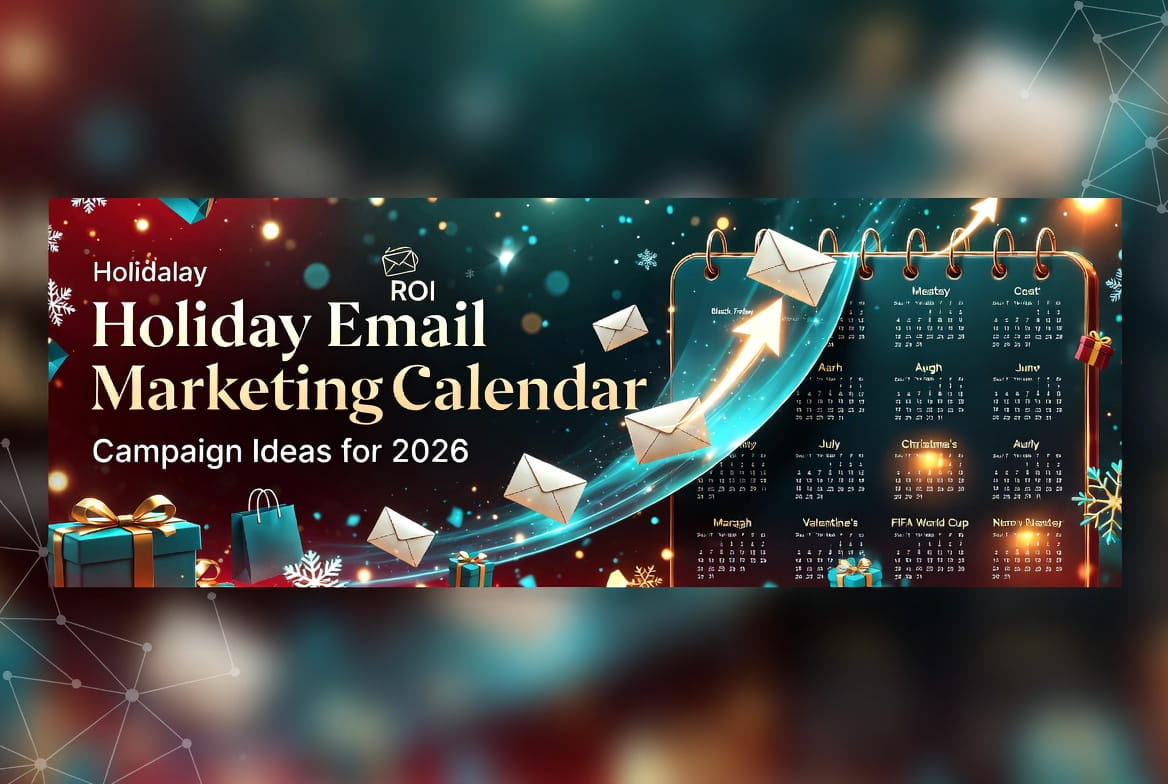
In the fast-paced world of digital marketing, a well-structured Holiday Email Marketing Calendar is your secret weapon for driving revenue, boosting engagement, and building lasting customer loyalty. With email delivering an average ROI of $36–$42 for every $1 spent, aligning your campaigns with key holidays and shopping events in 2026 can dramatically increase open rates, clicks, and conversions.
This comprehensive Holiday Email Marketing Calendar for 2026 includes major dates across Q1–Q4, proven campaign ideas, and actionable tips to help every marketer from e-commerce brands to service businesses create high-performing seasonal emails. Whether you’re running flash sales, personalized offers, or storytelling campaigns, this guide ensures your Holiday Email Marketing Calendar delivers results all year long.
Why You Need a Holiday Email Marketing Calendar in 2026
A strategic Holiday Email Marketing Calendar helps you plan ahead, avoid last-minute rushes, and capitalize on peak shopping periods. In 2026, consumers expect timely, relevant, and festive emails that feel personal rather than promotional.
Benefits of building a Holiday Email Marketing Calendar include:
- Higher engagement during high-intent periods
- Better list segmentation and personalization
- Improved deliverability by spacing campaigns
- Measurable ROI through holiday-specific tracking
Start building your Holiday Email Marketing Calendar now by mapping key dates, setting automation flows, and preparing creative assets early.
Q1 2026: Fresh Starts and Romantic Opportunities in Your Holiday Email Marketing Calendar
January – New Year’s Resolutions and Wellness
Key Dates: January 1 – New Year’s Day
Holiday Email Marketing Calendar Ideas:
- Send “New Year, New You” resolution challenges with product bundles (fitness gear, planners, wellness kits).
- Offer “Reset Your Routine” discounts on past-year clearance.
- Launch a 30-day email series with habit-building tips and exclusive subscriber offers.
Subject line examples: “Start 2026 Strong – 20% Off Your Fresh Start” or “Your 2026 Goals Deserve Better Tools”.
February – Love and Lunar Celebrations
Key Dates: February 14 – Valentine’s Day | February 17 – Chinese/Lunar New Year
Campaign Ideas for Your Holiday Email Marketing Calendar:
- Valentine’s: Personalized gift guides, “Gift for Every Love Story” segments (self-love, partner, friends).
- Early access to romantic collections or “Buy One, Gift One” promotions.
- Lunar New Year: Red envelope-themed emails with prosperity wishes and limited-edition products for global audiences.
Pro tip: Use dynamic content in your Holiday Email Marketing Calendar to show different products based on past purchases.
read Email Templates That Recover 25%+ of Lost Sales
March – Women’s Day and Spring Awakening
Key Dates: March 8 – International Women’s Day | Late March – Eid al-Fitr (around March 20)
Ideas:
- Empowering campaigns celebrating women with special discounts or stories.
- Eid campaigns focusing on family gatherings, modest fashion, or festive home décor with respectful, inclusive messaging.
Q2 2026: Spring, Easter, and Major Sporting Events
April – Easter and Earth Day
Key Dates: April 5 – Easter Weekend | April 22 – Earth Day
Holiday Email Marketing Calendar Ideas:
- Easter: Egg hunts in emails (interactive GIFs or quizzes leading to discounts), family gift bundles, and chocolate/floral promotions.
- Earth Day: Sustainable product spotlights, “Green Your Spring” eco-friendly offers, and carbon-neutral shipping highlights.
May – Mother’s Day and Memorial Day
Key Dates: May 10 – US Mother’s Day | May 25 – Memorial Day (US)
Campaigns:
- Heartfelt Mother’s Day gift guides with early-bird shipping deadlines.
- Memorial Day weekend sales with patriotic themes or “Honor & Save” messaging for relevant products.
June – Father’s Day and FIFA World Cup 2026
Key Dates: June 21 – Father’s Day (US) | June 11 – July 19 – FIFA World Cup 2026
Big Opportunity: The FIFA World Cup is one of the biggest mid-year events. Include match-day deals, team-colored merch, viewing party essentials, and countdown emails in your Holiday Email Marketing Calendar.
Q3 2026: Summer Sales and Back-to-School in Your Holiday Email Marketing Calendar
July – Prime Day and Independence Day
Key Dates: Mid-July – Amazon Prime Day (exact dates TBA) | July 4 – Independence Day
Run competitive flash sales and “Beat Prime Day” promotions. Use urgency timers in emails.
August – Back-to-School Prep
Ideas: Early “Gear Up for School” campaigns with student discounts, teacher appreciation offers, and supply bundle deals. Segment by parent vs. student audiences.
September – Labor Day
Key Dates: September 7 – Labor Day (US, approximate)
Kick off fall with end-of-summer clearance and “Back to Routine” promotions.
Q4 2026: The Golden Quarter – Peak of Your Holiday Email Marketing Calendar
October – Halloween and Diwali
Key Dates: October 31 – Halloween | October 19-23 – Diwali (approximate)
Campaign Ideas:
- Spooky fun: Costume contests, trick-or-treat email series, or “Treat Yourself” self-care deals.
- Diwali: Festival of Lights themes with elegant gifts, home décor, and prosperity wishes.
November – The Biggest Shopping Season
Key Dates:
- November 11 – Singles’ Day
- November 26 – Thanksgiving (US)
- November 27 – Black Friday
- November 30 – Cyber Monday
- December 1 – GivingTuesday
This is the heart of every Holiday Email Marketing Calendar.
Proven Campaign Ideas:
- Pre-Black Friday teasers and wishlist reminders.
- Black Friday/Cyber Monday countdown sequences with tiered discounts and flash sales.
- Segmented emails: “VIP Early Access”, “Last Chance”, “Extended Cyber Deals”.
- GivingTuesday: Charitable campaigns or “Buy One, Give One” initiatives.
December – Christmas, Boxing Day, and Year-End
Key Dates:
- December 24-25 – Christmas Eve & Christmas Day
- December 26 – Boxing Day (UK, Canada, Australia)
- December 31 – New Year’s Eve
Holiday Email Marketing Calendar Ideas for December:
- 12 Days of Deals countdown series.
- “Ship in Time for Christmas” urgency emails with clear cut-off dates.
- Personalized “Thank You” and loyalty rewards recaps.
- Post-Christmas: Returns-friendly emails, winter sale promotions, and “New Year Reset” offers.
- Boxing Day clearance for international audiences.
Best Practices for Executing Your 2026 Holiday Email Marketing Calendar
- Plan Early: Build your Holiday Email Marketing Calendar in Q3 2025. Create templates, graphics, and automation flows ahead of time.
- Segment Aggressively: Use purchase history, browsing behavior, and location for hyper-personalized sends.
- Mobile-First Design: Most holiday emails are opened on phones.
- Strong Subject Lines: Include urgency, emojis, and personalization (e.g., “Kainat, Your Black Friday Deals Are Here 🔥”).
- Measure ROI: Track revenue per email, conversion rates, and compare against non-holiday benchmarks.
- Respect Cultural Sensitivities: Especially for global audiences during Ramadan, Eid, Diwali, or Lunar New Year.
- Combine with Other Channels: Pair your Holiday Email Marketing Calendar with SMS, push notifications, and social media for omnichannel impact.
Tools to Power Your Holiday Email Marketing Calendar
Use platforms like Klaviyo, Mailchimp, ActiveCampaign, or Brevo for advanced automation, segmentation, and revenue tracking. Integrate with Google Analytics and UTM parameters to accurately measure performance during peak holiday periods.
Final Thoughts: Make 2026 Your Best Year with a Strategic Holiday Email Marketing Calendar
A thoughtful Holiday Email Marketing Calendar transforms seasonal spikes into predictable, scalable revenue. By aligning campaigns with the key 2026 dates outlined above from New Year resets to Christmas gifting and everything in between—you’ll engage subscribers meaningfully while driving significant sales.
Start mapping your Holiday Email Marketing Calendar today. Download free templates if available, audit last year’s performance, and begin crafting your Q4 sequences early. The brands that win in 2026 will be those that plan ahead, personalize deeply, and deliver joy (and value) in every inbox.
Ready to elevate your email strategy? Bookmark this Holiday Email Marketing Calendar guide and revisit it monthly as you build campaigns that resonate and convert.
Overall Retail and Consumer Outlook for 2026 Holidays
Holiday shopping in 2026 is expected to show steady but cautious growth, mirroring 2025 patterns with approximately 2.6% overall U.S. retail growth and 6.6% e-commerce growth. Some forecasts are more conservative (2.9–3.4%), reflecting ongoing price sensitivity driven by inflation and economic uncertainty from 2025.
Key consumer behaviors shaping 2026:
- Value-driven shopping persists — 69% of shoppers engaged in deal-seeking in 2025, and this is expected to continue. Consumers are hunting for discounts, expanding their consideration sets across retailers, and using financing tools judiciously.
- Earlier planning and shopping — Shoppers are researching and buying months in advance. Brands that activate early in their Holiday Email Marketing Calendar (e.g., Q3 teasers for Q4) will capture more demand.
- Bifurcated economy — Value-focused messaging is essential, with precision pricing to serve budget-conscious buyers while offering premium experiences for others.
- Omnichannel and social commerce growth — Shoppers engage across more channels, including social platforms. Email remains strong for driving repeat purchases and measured ROI.
Holiday email campaigns can account for up to 31% of annual revenue for top retail brands, making a strategic Holiday Email Marketing Calendar more important than ever.
Major Shopping Events and Holidays in 2026
Your Holiday Email Marketing Calendar should center on these high-impact dates (approximate; confirm exact lunar/religious dates closer to time):
- Q1: New Year’s (Jan 1), Valentine’s Day (Feb 14), Lunar New Year (Feb 17), International Women’s Day (Mar 8), Eid al-Fitr (~Mar 20)
- Q2: Easter (Apr 5), Earth Day (Apr 22), Mother’s Day (May 10), Memorial Day (May 25)
- Q3: Independence Day (Jul 4), Prime Day (mid-July), Back-to-School (Aug), Labor Day (~Sep 7)
- Q4 (Golden Quarter): Halloween (Oct 31), Diwali (~Oct 19–23), Singles’ Day (Nov 11), Thanksgiving (Nov 26), Black Friday (Nov 27), Cyber Monday (Nov 30), GivingTuesday (Dec 1), Christmas (Dec 25), Boxing Day (Dec 26)
Black Friday/Cyber Monday 2026 remains massive. Expect continued blending into “Cyber Week,” with strong online sales driven by deals (though deep discounts may moderate to 20–30% in many categories due to cost pressures). Early teasers and urgency-driven emails will perform well.
Standout 2026 Holiday Trend: FIFA World Cup 2026
The biggest wildcard for 2026 is the FIFA World Cup (June 11 – July 19, hosted in the US, Canada, and Mexico). This is the largest-ever tournament with 48 teams and is projected to drive significant ad spend, tourism, and retail activity, especially in host cities.
Opportunities for your Holiday Email Marketing Calendar:
- Mid-year sales tied to match days, team merchandise, viewing party essentials, and country-themed products.
- Global audiences respond to national pride, multicultural storytelling, and limited-edition drops.
- Retail media and experiential tie-ins (pop-ups, branded content) will surge; email can nurture with countdowns, fan segments, and personalized offers.
Plan dedicated flows in your Holiday Email Marketing Calendar for June–July to capitalize on this cultural moment.
Key Email Marketing Trends for 2026 Holidays
Email remains a high-ROI channel, but success depends on adapting to these shifts:
- AI-Powered Personalization and Automation — Generative AI will handle copy, segmentation, send-time optimization, and dynamic content. Expect “autonomous” flows that self-adjust based on behavior (e.g., real-time restock alerts or personalized gift recommendations). AI-driven emails already show higher conversion rates.
- Privacy-First and Consent-Driven Strategies — With stricter inbox rules and shifting metrics (open rates becoming less reliable), focus on zero-party data, preference centers, and value exchange. Human-centered, relevant messaging outperforms blasts.
- Fewer, Smarter Messages — 66% of consumers prefer fewer but more meaningful emails during busy seasons. Shift from volume to precision using AI orchestration triggered by signals like browsing or cart activity.
- Mobile-First + Interactive Elements — Over half of holiday emails open on mobile. Use countdown timers, quizzes, GIFs, and dynamic product recommendations.
- Omnichannel Integration — Link email with social commerce, retail media, and SMS for consistent storytelling.
- Sustainability, Experiences, and Uniqueness — Shoppers seek innovative, convenient, and socially meaningful gifts. Highlight eco-friendly options, personalized experiences, and storytelling (e.g., “gifts that tell a story”).
- Lifecycle and Behavioral Flows — Welcome series, abandoned cart, post-purchase, and re-engagement emails perform best when tied to holiday moments.
Actionable Tips for Your 2026 Holiday Email Marketing Calendar
- Start Early — Build templates, segments, and automations in Q3 2025. Use 2025 performance data to refine.
- Segment Deeply — By past purchases, location (for World Cup relevance), loyalty tier, and preferences.
- Emphasize Value — Lead with deals, bundles, financing options, and loyalty rewards for your best customers.
- Test Creatively — Subject lines with urgency/emojis, dynamic content, and A/B tests for timing and offers.
- Measure What Matters — Focus on revenue per email, conversions, and customer lifetime value rather than vanity metrics.
- Cultural Sensitivity — Tailor messaging for global or diverse audiences (e.g., respectful Eid/Diwali campaigns).
How to Integrate Trends into Your Campaigns
For a winning Holiday Email Marketing Calendar in 2026:
- Use AI tools for hyper-personalized gift guides and predictive send times.
- Create World Cup-themed mid-year campaigns with fan engagement (polls, team predictions).
- Blend promotional urgency (Black Friday timers) with emotional storytelling (Christmas thank-yous or New Year resets).
- Prioritize quality over quantity fewer, highly relevant sends will cut through crowded inboxes.
Brands that combine early activation, value messaging, AI assistance, and omnichannel consistency will see the strongest results. Holiday email can drive massive revenue when aligned with these consumer shifts.
Ready to update your Holiday Email Marketing Calendar with these 2026 trends? Focus on value, personalization, and the unique opportunities like the World Cup to stand out and maximize ROI.
If you’d like a detailed monthly breakdown, sample campaign ideas for specific holidays, or integration tips with your previous email ROI article, just let me know!