
Email marketing is one of the most effective digital marketing channels because it allows businesses to communicate directly with their audience. But to leverage its full potential, it’s crucial to understand how email marketing works, from collecting subscribers to optimizing campaigns.
At its core, email marketing works by delivering targeted, relevant messages to people who have opted in to receive communication from your brand. This is different from other marketing channels because it is permission-based, giving marketers direct access to a subscriber’s inbox. The process relies on several interconnected steps: list building, segmentation, content creation, sending campaigns, automation, and analysis. When executed correctly, email marketing can boost engagement, increase conversions, and grow long-term customer relationships.
Email marketing is powerful because it combines personalization, automation, and analytics. According to Litmus, 76% of marketers report that email is their most effective channel for ROI, with every $1 spent yielding an average return of $42. This is due to its ability to deliver tailored messages to specific audiences, guide prospects through the customer journey, and measure results for continuous improvement.
try system.io best email marketing platform
Building and Managing an Email List
The first step in email marketing is creating a high-quality email list. Your campaigns are only effective if they reach subscribers who are genuinely interested in your brand.
How to Build an Email List
List building starts with collecting email addresses ethically, using opt-in forms on websites, social media, or landing pages. Offering lead magnets like eBooks, guides, discount codes, or free trials incentivizes users to share their email addresses. Pop-ups, banners, and exit-intent forms also help capture subscribers effectively.
Managing Subscribers
Once you have a list, management is key. Email marketing platforms allow you to organize subscribers into segments based on demographics, interests, engagement levels, or purchase behavior. This segmentation ensures emails are relevant, improving open rates, click-through rates, and conversions.
Maintaining list health is also crucial. Removing inactive subscribers and cleaning bounced emails improves deliverability and ensures your messages reach the right audience. A well-managed list is the foundation of every successful email marketing strategy.
Crafting Effective Email Content
Once you have a list, the next step is crafting compelling emails that engage readers and drive action. Email content must balance relevance, clarity, and design.
Subject Lines and Preview Text
The subject line is the first thing recipients see. A strong subject line grabs attention, sparks curiosity, and encourages opens. Personalization, urgency, and clarity are critical. For example, including a subscriber’s name or referencing past interactions can boost open rates.
Body Content
The body should deliver on the promise of the subject line. Keep paragraphs short, scannable, and focused on a single goal. Use clear headings, concise text, and engaging visuals. Whether it’s an educational newsletter, a promotional offer, or a transactional message, relevance is key.
Call-to-Action (CTA)
Every email should have a clear CTA, guiding the reader to the desired action, such as making a purchase, downloading a resource, or registering for an event. Placement, wording, and design of the CTA significantly impact conversion rates.
try system.io best email marketing platform
Design and Mobile Optimization
With over 50% of emails opened on mobile devices, responsive design is essential. Emails should render correctly on all screen sizes, using scalable images, legible fonts, and clickable buttons. Platforms provide templates to simplify design while maintaining brand consistency.
Mini Takeaway: Effective email content combines strong subject lines, relevant body copy, clear CTAs, and responsive design to drive engagement and conversions.
Segmentation and Personalization
Email marketing works best when messages are targeted rather than generic. Segmentation and personalization are key strategies that enhance relevance.
Segmentation Techniques
Subscribers can be segmented by:
- Demographics: Age, location, gender, job title
- Behavior: Purchase history, browsing activity, past engagement
- Lifecycle Stage: New subscribers, active customers, lapsed users
Segmented campaigns ensure each group receives emails tailored to their interests. For example, a subscriber who purchased a product last month might receive recommendations for complementary items, while a dormant subscriber gets a re-engagement offer.
Personalization
Personalization goes beyond including a subscriber’s name. Modern platforms use behavioral data, preferences, and interactions to deliver highly relevant content. AI-driven personalization predicts which products or offers a subscriber is likely to engage with, improving open and click-through rates.
Mini Takeaway: Segmentation and personalization increase engagement, foster loyalty, and drive conversions by delivering the right message to the right person at the right time.
try system.io best email marketing platform
Automation and Triggered Emails
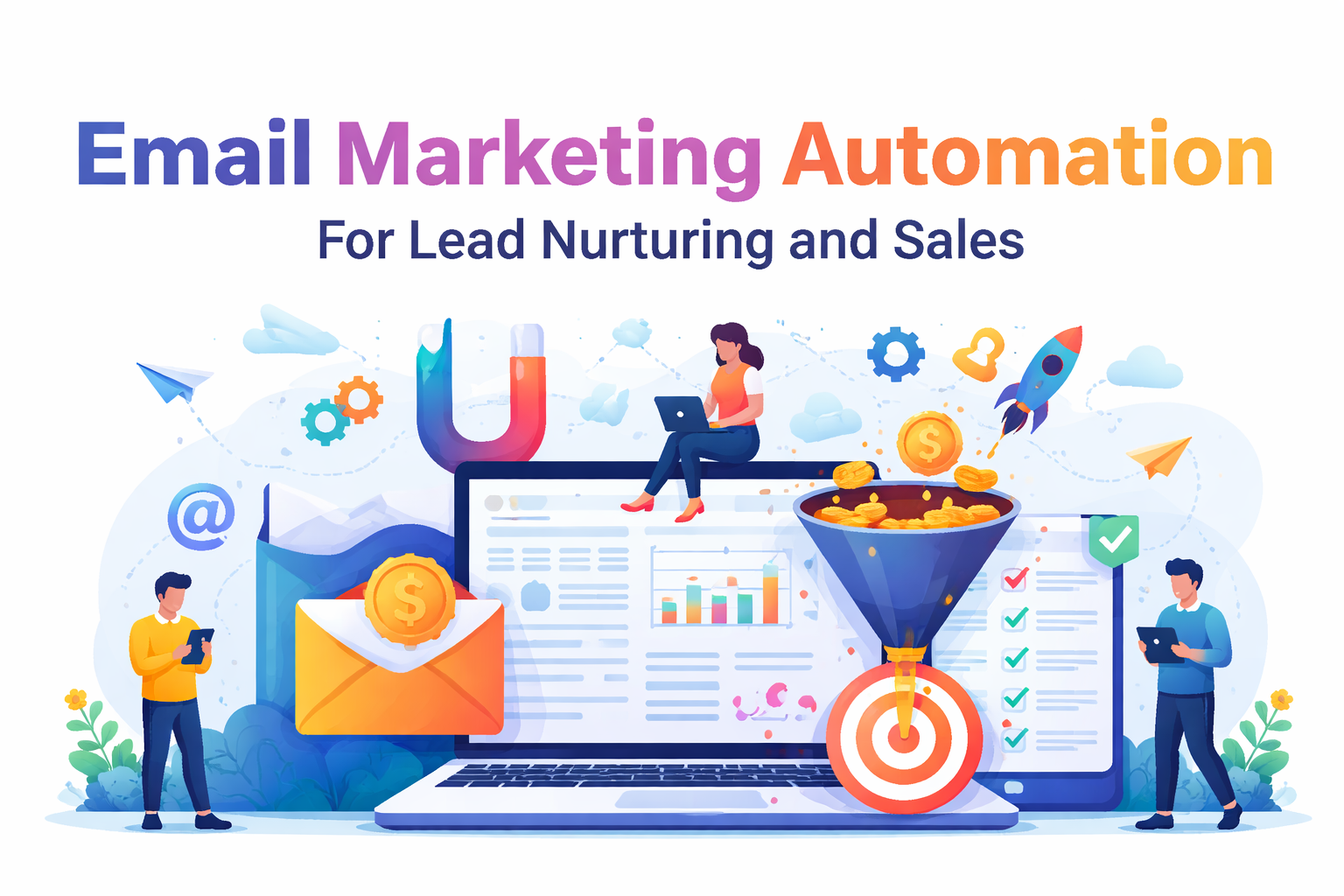
Automation is the backbone of efficient email marketing. It allows marketers to send emails based on predefined triggers or subscriber behavior.
Automated Workflows
Automated sequences, also known as drip campaigns, guide subscribers through a journey:
- Welcome Series: Introduces new subscribers to the brand
- Abandoned Cart Emails: Encourages purchase completion
- Post-Purchase Follow-Ups: Requests feedback, offers related products
- Re-engagement Campaigns: Recaptures inactive subscribers
Behavioral Triggers
Behavior-based triggers allow precise timing. For example, if a subscriber clicks a link about a product category, a triggered email can send recommendations for related products within 24 hours. This level of automation increases relevance and significantly boosts conversions.
Mini Takeaway: Automation allows scalable, timely, and relevant communication that nurtures leads and drives sales without manual effort.
Deliverability and Compliance
Email marketing works only if messages reach the subscriber’s inbox. Deliverability and compliance are critical components.
Deliverability Factors
Spam filters, email authentication, sender reputation, and email content quality all affect whether emails are delivered. Platforms monitor these factors and provide tools to improve inbox placement.
Compliance Regulations
Regulations like CAN-SPAM, GDPR, and CASL require marketers to get consent, provide easy unsubscribe options, and handle personal data responsibly. Platforms include built-in compliance tools to simplify these processes.
Mini Takeaway: A strong email strategy ensures messages are delivered safely, complying with laws while maintaining trust with subscribers.
try system.io best email marketing platform
Analytics and Optimization
The final step in understanding how email marketing works is measuring and improving performance.
Key Metrics
- Open Rate: Measures how many subscribers opened your email
- Click-Through Rate (CTR): Measures engagement with links or CTAs
- Conversion Rate: Measures how many completed desired actions
- Bounce Rate: Tracks emails that weren’t delivered
- Unsubscribe Rate: Indicates list satisfaction
Optimization Techniques
A/B testing allows marketers to test subject lines, content, visuals, and send times. Continuous analysis helps refine strategies, increase ROI, and enhance customer experience. Data-driven optimization ensures campaigns remain effective, relevant, and profitable.
Mini Takeaway: Analytics and testing turn email marketing from guesswork into a precise, measurable strategy that drives continuous improvement.
Conclusion and Call to Action
Email marketing works by combining list building, segmentation, personalized content, automation, compliance, and analytics into a cohesive strategy. Each step of the process from collecting subscriber emails to optimizing campaigns ensures that messages are relevant, timely, and effective.
When executed correctly, email marketing drives engagement, nurtures leads, boosts conversions, and builds long-term customer relationships. Businesses that understand how email marketing works can leverage platforms, automation, and data to deliver consistent, personalized experiences that grow revenue.
Start today: Build your email list, craft targeted campaigns, implement automation, and track your metrics to create a successful email marketing strategy. Every email is an opportunity to connect, engage, and convert.
try system.io best email marketing platform
Frequently Asked Questions (FAQs)
1. How does email marketing work?
Email marketing works by sending targeted emails to subscribers who have opted in. It involves building a list, segmenting audiences, creating content, automating campaigns, and analyzing performance to optimize engagement and conversions.
2. Why is email marketing effective?
It is permission-based, highly measurable, and allows personalization. Email marketing has a high ROI because it reaches subscribers directly, nurtures relationships, and drives conversions.
3. What are the steps in an email marketing workflow?
- Collect subscriber emails
- Segment the list
- Create personalized emails
- Send automated or manual campaigns
- Track performance metrics
- Optimize based on analytics
4. What is the role of automation in email marketing?
Automation allows businesses to send emails based on triggers or predefined workflows, saving time, increasing relevance, and boosting engagement and conversions.
5. How do businesses ensure email deliverability?
By using verified email marketing platforms, following best practices, authenticating domains, avoiding spammy content, and complying with regulations like GDPR or CAN-SPAM.
6. What metrics should be tracked in email marketing?
Open rates, click-through rates, conversion rates, bounce rates, unsubscribe rates, and revenue generated from campaigns.7. How often should email campaigns be sent?
Frequency depends on the audience and campaign goals. Generally, 1–2 emails per week are effective, but testing engagement rates can help find the optimal cadence.